
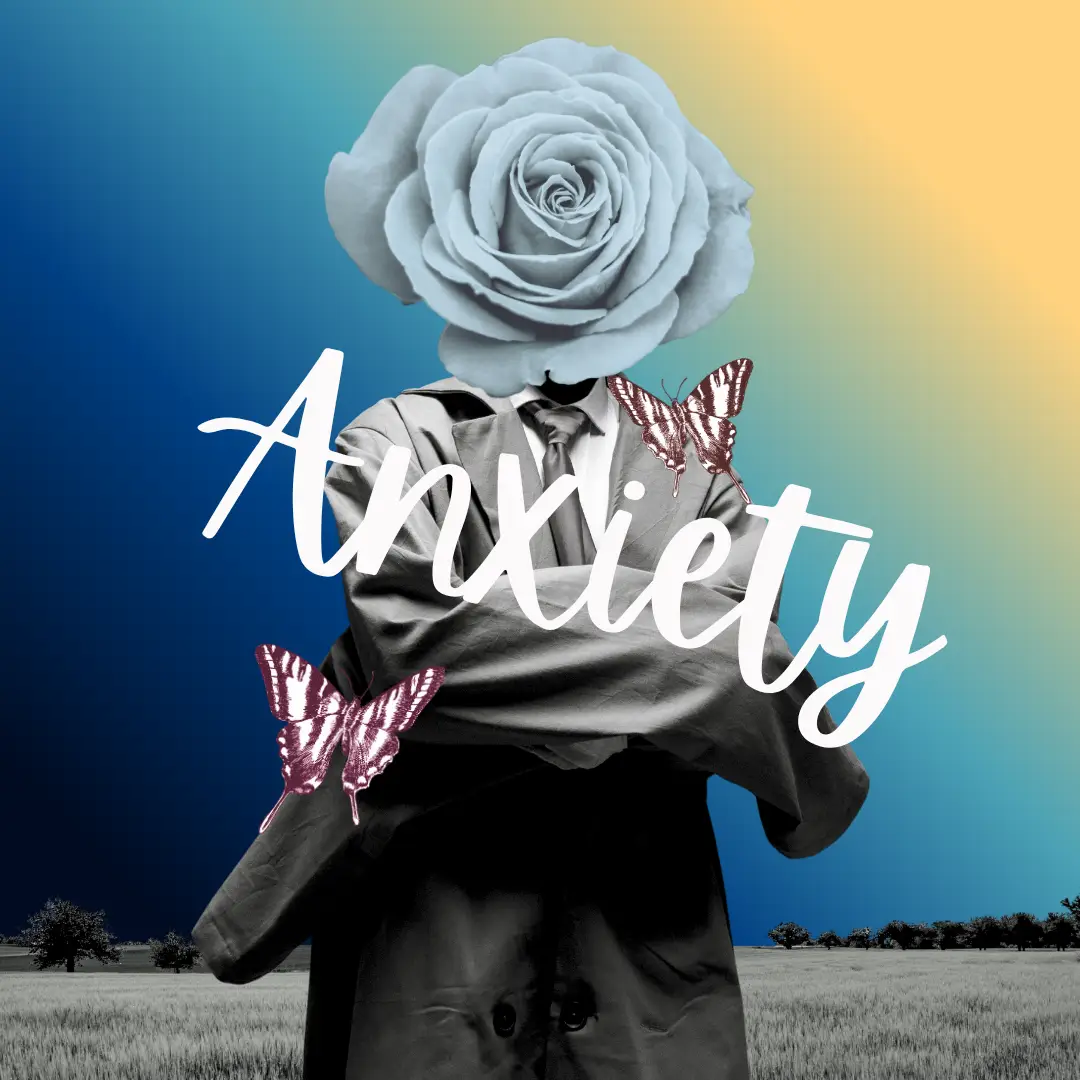
When Anxiety
Becomes a Habit
The neuroscience of fear, sensitization, and why a doctor from 1962 understood the nervous system better than most clinicians do today.
Anxiety is supposed to be temporary. A surge of adrenaline, a quickened heartbeat, a narrowing of attention toward a threat — and then, once the threat passes, a return to calm. This is the nervous system working exactly as designed. But for tens of millions of people, that return to calm never fully comes. The anxiety lingers, builds, and eventually takes on a life of its own — triggering in response to things that aren’t threatening, and at intensities that bear no relationship to the situation at hand. This is anxiety as a chronic condition. And understanding what drives it requires going deeper than most conversations about mental health are willing to go.
What’s actually happening is a form of nervous system sensitization — a process with deep roots in neuroscience, and one that connects the experience of chronic anxiety to the same fundamental mechanisms underlying chronic pain. These are not separate problems with separate causes. They share a common biological substrate. And once you understand that substrate, both what goes wrong and what actually helps begin to make a great deal more sense.
Anxiety and Central Sensitization:
Closer Than You Think
Most people think of central sensitization as a pain phenomenon — and it is. But researchers are increasingly recognizing it as a broader nervous system state that underlies not just pain but anxiety, fatigue, hypervigilance, and a range of other symptoms that often travel together.
Central sensitization describes what happens when the central nervous system becomes hyperexcitable — when neurons in the spinal cord and brain begin firing faster, more intensely, and in response to stimuli that should not register as threatening. The brain’s natural braking systems weaken. The threshold for triggering an alarm response drops. And the system becomes increasingly reactive over time — not because threats are getting worse, but because the nervous system itself has been recalibrated toward danger.
In chronic anxiety, this process maps almost perfectly onto the pain model. A 2024 study published in Life examining mental health outpatient clinic patients found that central sensitization was significantly associated with anxiety, depression, and somatic symptoms — with somatic symptoms showing the strongest correlation. Anxiety isn’t just comorbid with sensitization. In many cases, it is sensitization — the threat-detection system so sensitized that almost any internal signal becomes cause for alarm.
Both chronic pain and chronic anxiety involve the same core process: an overactive threat-detection network — centered on the amygdala, anterior insula, and anterior cingulate cortex — that has become dysregulated. The same glutamate receptor upregulation seen in central sensitization of pain — similar to long-term potentiation, the mechanism of memory formation — is implicated in the entrenchment of fear memories and anxiety responses. The nervous system has, quite literally, learned to be afraid.
This is why chronic anxiety so often comes with physical symptoms — pain, fatigue, gastrointestinal distress, sensitivity to light and sound — that have no clear structural explanation. The sensitized system doesn’t distinguish cleanly between emotional and physical threat signals. It amplifies both.
A comprehensive review of the neural circuitry underlying the comorbidity of chronic pain and anxiety published in 2022 in Neural Plasticity confirmed that the two conditions share overlapping brain circuits — particularly in the amygdala, prefrontal cortex, anterior cingulate cortex, and hippocampus — and that dysregulation of these circuits drives both. This is not a coincidence of symptoms. It is a shared neurological architecture.
Claire Weekes: A Pioneer Who Was Decades Ahead
Dr. Claire Weekes was an Australian physician and research scientist — the first woman to receive a doctorate of science from the University of Sydney. After developing severe anxiety herself following a misdiagnosed illness, she spent decades working with patients suffering from what she called nervous illness, producing a body of work on anxiety recovery that was dismissed by mainstream psychiatry during her lifetime and is now being vindicated by neuroscience.
Her 1962 book Hope and Help for Your Nerves sold millions of copies worldwide. She is now described by the Anxiety and Depression Association of America as “the grandmother of cognitive behavioral treatment for anxiety” for her early, pioneering use of exposure-based approaches decades before CBT was formalized.
What makes Weekes remarkable is that she described the neuroscience of anxiety sensitization — in plain, accessible language — before the imaging tools existed to confirm it. She identified three factors that she believed drove most chronic anxiety: sensitization, bewilderment, and fear. Of these, sensitization was the foundation.
In her words, sensitization is “a state in which nerves are conditioned to react to stress in an exaggerated way — bringing unusually intense feelings when under stress, and at times with alarming swiftness.” A sensitized nervous system doesn’t need a significant trigger to produce a significant response. The threshold has dropped so low that almost any internal sensation — a racing heart, a slight dizziness, a flutter of unease — can set off a full anxiety response.
“So much nervous illness is no more than
severe sensitization kept alive by
bewilderment and fear.”
First Fear and Second Fear:
The Cycle That Keeps Anxiety Alive
One of Weekes’ most enduring contributions was her analysis of anxiety as two distinct phenomena — what she called first fear and second fear. This distinction is so precise that modern neuroscience has essentially confirmed it through a different vocabulary.
The automatic alarm
First fear is the initial, reflexive physiological response — the adrenaline surge, the racing heart, the body bracing. It arrives automatically, often before conscious thought. Weekes was clear: this is a normal nervous system response. It is not dangerous. It is not a sign of collapse. It is chemistry. “Just adrenalin,” she would say. For a sensitized nervous system, first fear may arrive more easily and more intensely than it should — but it is still, at its core, a biological event with a natural endpoint.
The fear of the fear
Second fear is what the person adds on top of first fear — the alarm at the alarm. “Oh no, here it is again. I can’t stand this. Something is wrong with me. What if it never stops?” This layer of reactive panic is what transforms a passing physiological event into a sustained cycle. Second fear re-activates the nervous system at the moment it would naturally be settling, signaling to the brain that the original alarm was justified and warranted escalation. It is second fear, Weekes argued, that keeps sensitization alive — and it is the removal of second fear that allows recovery.
The neuroscience of fear extinction maps strikingly onto this framework. Research shows that fear responses are maintained not by the original conditioning event but by the continued pairing of sensation with threat appraisal. Every time anxiety arrives and the person responds with escalating alarm — what Weekes called second fear — the association between the sensation and danger is reinforced. The amygdala encodes the signal as confirmed threat. The sensitization deepens.
The Weekes Method:
Face, Accept, Float, Let Time Pass
Against this backdrop of sensitization and second fear, Weekes developed a four-part approach to recovery that is strikingly modern in its implications:
Face
Do not run from the anxiety. Do not distract or avoid. Turn toward the sensation with willingness. Weekes understood — and modern exposure therapy confirms — that avoidance is the engine of anxiety maintenance. Every time you escape, you teach the brain the threat was real and escape was necessary.
Accept
Allow the sensations to be there without fighting them. “Sag and accept,” Weekes wrote. This is not resignation — it is the removal of second fear. When the body’s alarm is met with genuine acceptance rather than reactive panic, the nervous system has no escalating signal to respond to. The physiological response reaches its peak and begins to naturally subside.
Float
Rather than bracing against anxiety, Weekes urged patients to float through it — a kind of non-resistant passage. The metaphor is deliberate: water doesn’t fight the current; it moves with it. This concept prefigures what Acceptance and Commitment Therapy (ACT) calls cognitive defusion and what somatic therapy calls pendulation — not eliminating the sensation but changing your relationship to it.
Let Time Pass
A sensitized nervous system took time to become sensitized, and it takes time to desensitize. Weekes was emphatic that recovery is not linear, that setbacks are part of the process, and that the goal is not to feel no anxiety — but to stop adding second fear to first fear. Given this, and given time, the nervous system gradually recalibrates. This is now confirmed by research on fear extinction and neuroplasticity.
What Neuroscience Now Confirms
The mechanisms Weekes described intuitively have since been mapped onto specific brain structures and processes. Understanding them helps explain why her approach works — and why approaches that don’t address sensitization often fall short.
The amygdala, prefrontal cortex, and the fear-extinction circuit
The amygdala is the brain’s primary threat-detection center. In chronic anxiety, it becomes hyperreactive — firing rapidly in response to minimal stimuli and encoding increasingly broad categories of experience as dangerous. The prefrontal cortex (PFC) is responsible for evaluating whether a threat signal is justified and for dampening amygdala activity when it is not. In sensitization, this PFC-to-amygdala inhibitory pathway weakens — meaning the brake system fails. The amygdala fires; nothing tells it to stop.
This is the neural correlate of second fear. The prefrontal cortex would normally evaluate the situation and signal safety — but in a sensitized system, it cannot effectively override the alarm. The anxiety persists beyond its physiological justification.
Brain imaging studies of exposure therapy published in PNAS found that successful treatment dampened activity in the fear-sensitive network — including the amygdala, insula, and cingulate cortex — while increasing prefrontal cortex engagement. Six months after treatment, the reduced fear-network activity persisted. The brain had not just habituated. It had structurally reorganized.
This is what Weekes’ method achieves through acceptance and repeated facing: fear extinction — the same neurobiological process — arrived at through behavioral means rather than clinical intervention.
Interoception: why anxiety feels so physical
One of the most confusing aspects of anxiety for people who experience it is how intensely physical it feels. Heart palpitations, chest tightness, dizziness, nausea, trembling, numbness — these aren’t metaphors. They are real physiological events. And in a sensitized nervous system, they are also fuel.
Interoception — the brain’s sensing of the body’s internal state — becomes distorted in chronic anxiety. The brain over-reads internal signals as threatening, transforming normal physiological variation (a slightly elevated heart rate, a mild digestive flutter) into evidence of catastrophe. This is central sensitization applied to the body’s own internal monitoring system: the alarm threshold has dropped so low that normal bodily noise becomes signal.
This is why interoceptive exposure — deliberately inducing feared physical sensations (spinning in a chair, breathing through a straw, doing jumping jacks) to extinguish the association between those sensations and danger — is now a core component of treatment for panic disorder. And it is why Weekes’ instruction to face the physical sensations of anxiety, rather than flee from them, was, mechanistically, exactly right.
In recent years, Weekes’ work has seen a significant resurgence — particularly online, where communities of people with chronic anxiety have found her books when formal treatment fell short. The ADAA now explicitly credits her as a pioneer of cognitive behavioral treatment for anxiety, noting that her emphasis on the nervous system and the concept of first and second fear “anticipated the return to biology and the physiology of the brain decades later.”
In 2019, journalist Judith Hoare published The Woman Who Cracked the Anxiety Code — the first full biography of Weekes — bringing her story to a new generation of readers and clinicians. It is a long-overdue reckoning with a figure who was, by most measures, one of the most important voices in 20th-century mental health.
Modern Therapies That Extend Her Work
Weekes worked largely alone, outside academic institutions, without clinical trials or peer-reviewed publications. What has happened since her death is that the frameworks she built intuitively have been formalized, tested, and confirmed — and a new generation of treatments now extends her core insights with the tools of 21st-century neuroscience.
Cognitive Behavioral Therapy (CBT) with Exposure
CBT — now the most evidence-backed treatment for anxiety disorders — operationalizes much of what Weekes described. Exposure components directly target avoidance and the maintenance of second fear. Exposure therapy works through fear extinction: repeated, non-catastrophic contact with feared stimuli until the amygdala’s threat encoding is overwritten.
Acceptance and Commitment Therapy (ACT)
ACT takes Weekes’ acceptance framework further — developing the concept of psychological flexibility, or the capacity to hold difficult internal experiences without being dominated by them. Where Weekes said “float,” ACT says “defuse.” The mechanism is the same: removing the reactive layer of second fear so the first fear can pass.
Polyvagal-Informed Approaches
Polyvagal Theory, developed by Dr. Stephen Porges, provides a neurophysiological map of the autonomic states underlying anxiety and freeze. Polyvagal-informed therapy uses breath, voice, and co-regulation to move the nervous system out of defensive states — a bottom-up complement to the top-down work of CBT and ACT.
Interoceptive Exposure
Deliberately inducing feared physical sensations to break the association between those sensations and danger. Core in panic disorder treatment, and directly aligned with Weekes’ instruction to face the physical experience of anxiety rather than flee from it. Research shows it outperforms medication at follow-up when combined with CBT.
Anxiety doesn’t have to be permanent. It is, at its root, a sensitized nervous system that has learned to perceive danger everywhere — and what it has learned, with patience and the right approach, it can unlearn. The alarm can quiet. The threshold can rise. The body can learn, again, that it is safe.
References & Further Reading
- Weekes, C. (1962). Hope and Help for Your Nerves. Angus & Robertson. (Republished 1990, Signet.) claireweekespublications.com
- Weekes, C. (1972). Peace from Nervous Suffering. Angus & Robertson. amazon.com
- Hoare, J. (2019). The Woman Who Cracked the Anxiety Code: The Extraordinary Life of Dr. Claire Weekes. Scribe Publications. amazon.com
- Anxiety and Depression Association of America. (2025). Claire Weekes, MD, DSc: The Grandmother of Cognitive Behavioral Treatment for Anxiety. adaa.org
- Takeuchi, T., Hashimoto, K., Koyama, A., Asakura, K., & Hashizume, M. (2024). The Association of Central Sensitisation with Depression, Anxiety, and Somatic Symptoms. Life, 14(5), 612. ncbi.nlm.nih.gov/pmc/articles/PMC11122528
- Chen, T., Wang, J., Wang, Y.Q., & Chu, Y.X. (2022). Current Understanding of the Neural Circuitry in the Comorbidity of Chronic Pain and Anxiety. Neural Plasticity. ncbi.nlm.nih.gov/pmc/articles/PMC8863453
- Åhs, F., Rosén, J., Kastrati, G., et al. (2012). Exposure Therapy Triggers Lasting Reorganization of Neural Fear Processing. PNAS, 109(24). pmc.ncbi.nlm.nih.gov/articles/PMC3384187
- Maren, S. (2022). Unrelenting Fear Under Stress: Neural Circuits and Mechanisms for the Immediate Extinction Deficit. Frontiers in Systems Neuroscience, 16. ncbi.nlm.nih.gov/pmc/articles/PMC9062589
- Cernasov, P., et al. (2023). The Basolateral Amygdala: The Core of a Network for Threat Conditioning, Extinction, and Second-Order Threat Conditioning. Biology, 12(10), 1274. ncbi.nlm.nih.gov/pmc/articles/PMC10604397
- Vardeh, D., Mannion, R.J., & Woolf, C.J. (2016). Toward a Mechanism-Based Approach to Pain Diagnosis. The Journal of Pain, 17(9 Suppl), T50–T69. ncbi.nlm.nih.gov/pmc/articles/PMC5974053
- Abramowitz, J.S., Deacon, B.J., & Whiteside, S.P.H. (2019). Exposure Therapy for Anxiety: Principles and Practice (2nd ed.). Guilford Press.
- Psychiatric Times. Exposure Therapy for Anxiety Disorders. psychiatrictimes.com
- Wikipedia. Claire Weekes. en.wikipedia.org/wiki/Claire_Weekes